
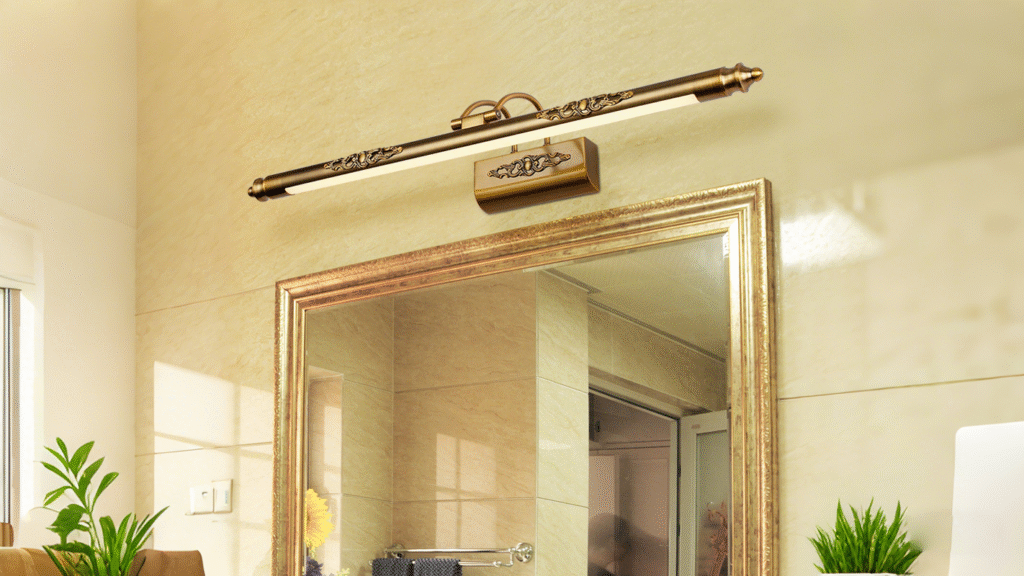
Vanity mirror lighting plays a crucial role in daily grooming, makeup application, and overall bathroom or dressing area aesthetics. The right vanity mirror light not only enhances visibility but also improves accuracy when applying makeup, shaving, or styling hair. Poor lighting can distort colors, create unwanted shadows, and reduce the functionality of even the most beautiful vanity setup. With so many options available—ranging from LED light strips and Hollywood-style bulbs to integrated smart mirrors—it can be challenging to choose the right one.
This guide will walk you through the key factors to consider when selecting the perfect vanity mirror light, including brightness, color temperature, installation type, energy efficiency, design, and practical usage scenarios.
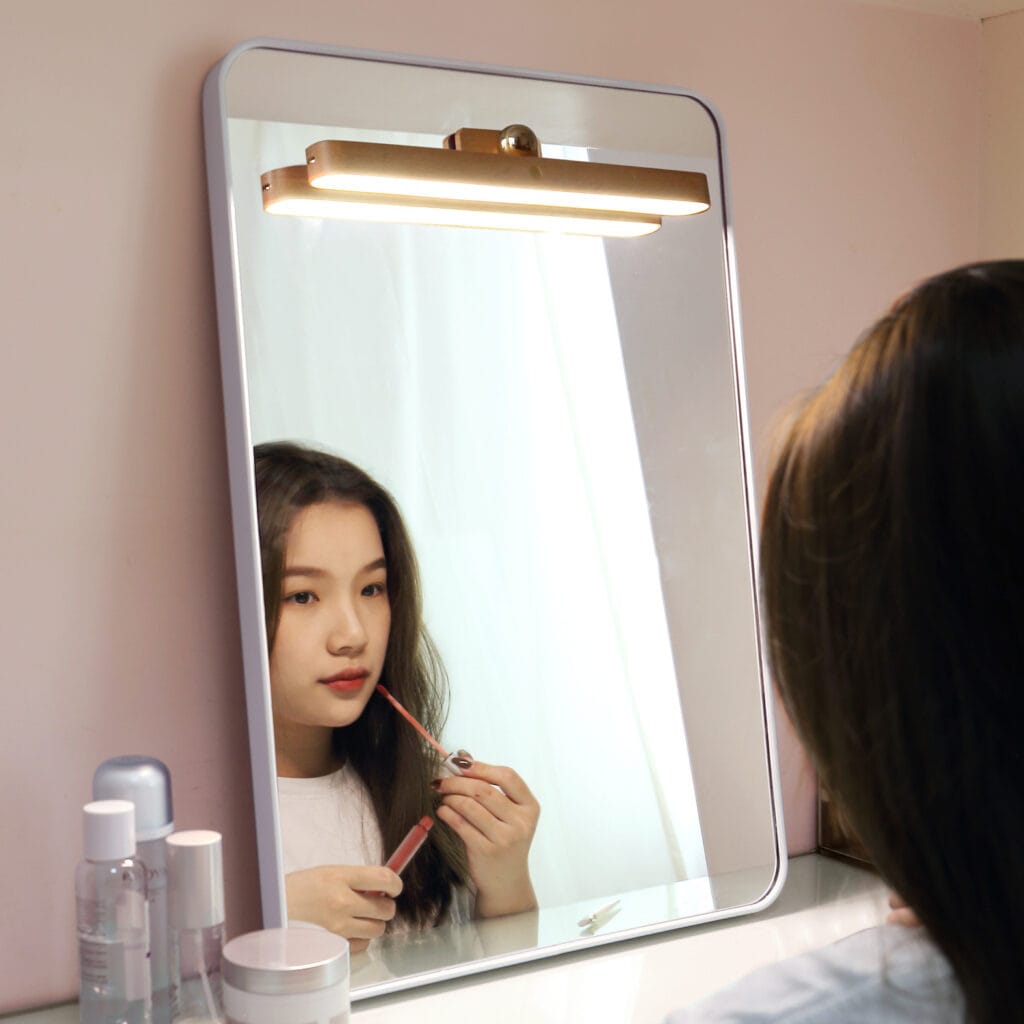
1. Understand the Purpose of Vanity Mirror Lighting
Before choosing a vanity mirror light, it is important to understand how it will be used. Different environments and purposes require different lighting solutions.
Makeup Application:
Makeup requires balanced, shadow-free lighting that accurately reflects natural skin tones. Uneven or dim lighting may cause over-application or incorrect color blending.
Shaving and Grooming:
For shaving or detailed grooming, brighter lighting with clear visibility is essential to avoid missed spots or uneven trimming.
Decorative Lighting:
Some vanity mirror lights are primarily decorative, enhancing the atmosphere of a bedroom or bathroom rather than serving as task lighting.
Professional Use:
Makeup artists or salon professionals often require higher brightness levels and adjustable color temperatures to simulate different environments such as daylight, indoor lighting, or evening conditions.
Identifying the primary use will help narrow down the right type of lighting.
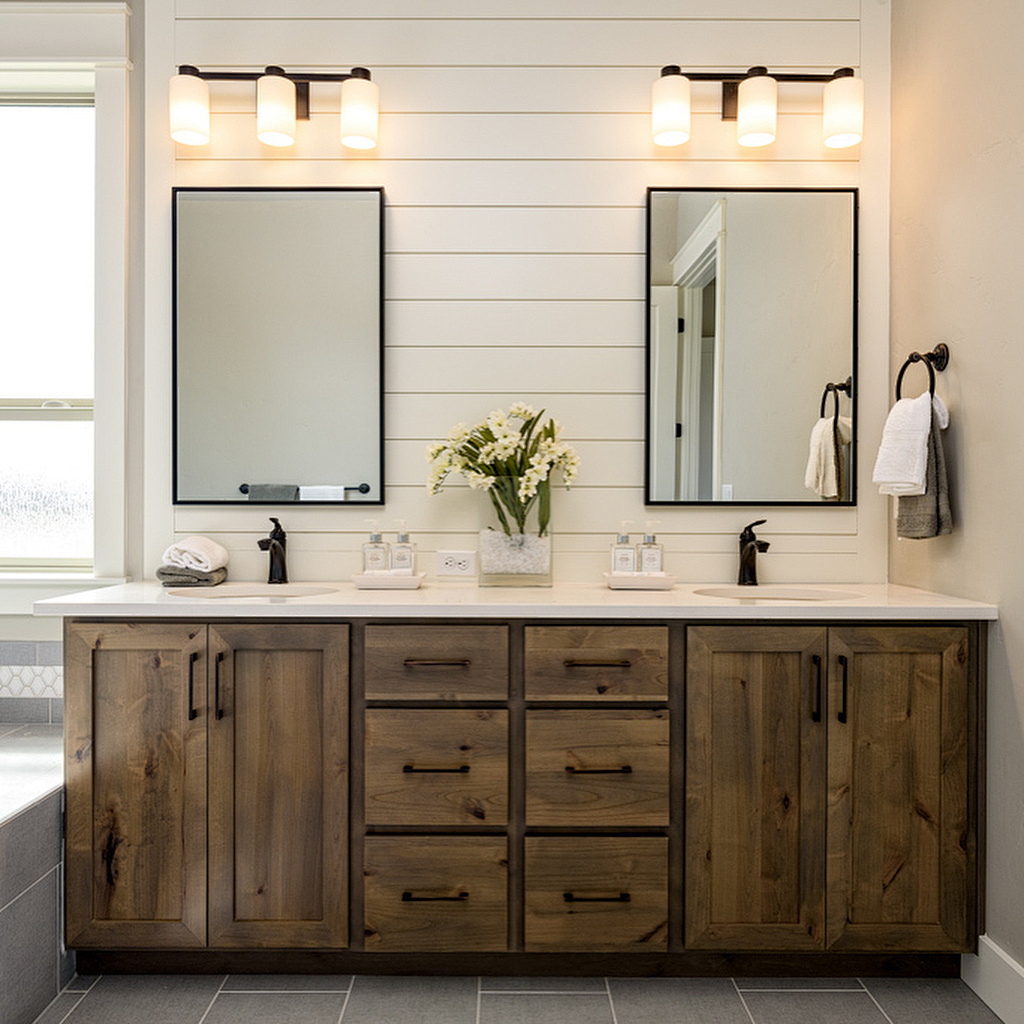
2. Choose the Right Brightness (Lumens)
Brightness is one of the most important factors when selecting vanity mirror lighting. Instead of focusing only on wattage, modern lighting products use lumens to measure brightness.
Recommended brightness levels:
- Basic personal use: 800–1200 lumens
- Makeup application: 1200–1600 lumens
- Professional or studio use: 1600–2400 lumens
If the lighting is too dim, it will create shadows and reduce clarity. If it is too bright, it may cause glare and discomfort.
Many modern LED vanity lights include dimming functions, allowing users to adjust brightness based on different needs. This feature is especially useful for multi-purpose environments.
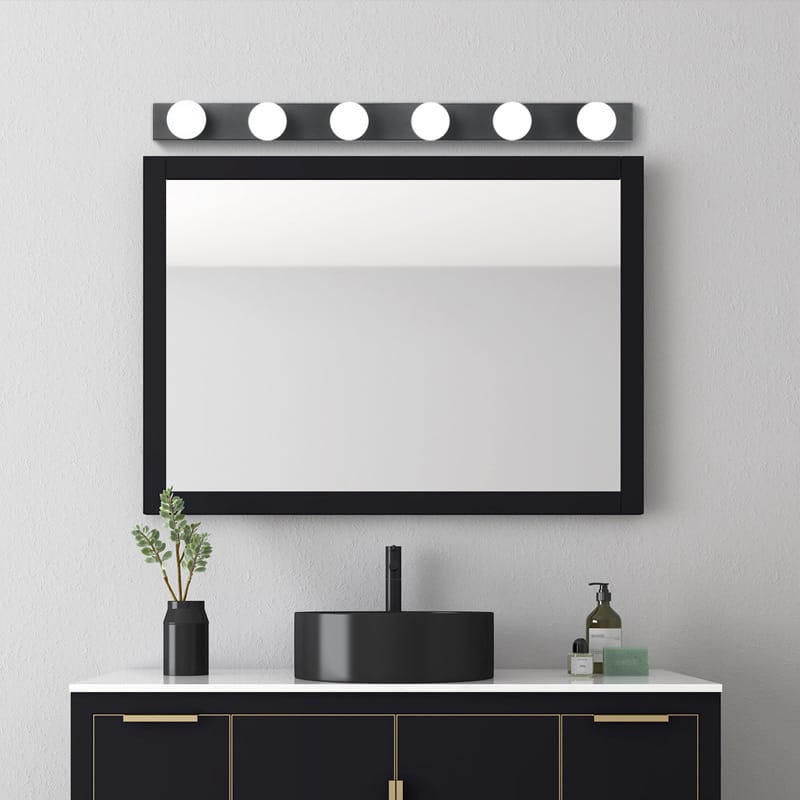
3. Select the Correct Color Temperature
Color temperature significantly affects how colors appear in the mirror. It is measured in Kelvin (K) and determines whether the light looks warm, neutral, or cool.
Common color temperature options:
- 2700K–3000K (Warm White):
Soft and relaxing, suitable for ambient lighting but not ideal for precise makeup. - 3500K–4100K (Neutral White):
Balanced lighting that works well for daily grooming. - 5000K–6500K (Cool White / Daylight):
Bright and clear, best for makeup accuracy because it closely resembles natural daylight.
For most users, adjustable color temperature is the best choice. It allows switching between warm, neutral, and cool lighting depending on the situation.
4. Avoid Shadows with Proper Light Placement
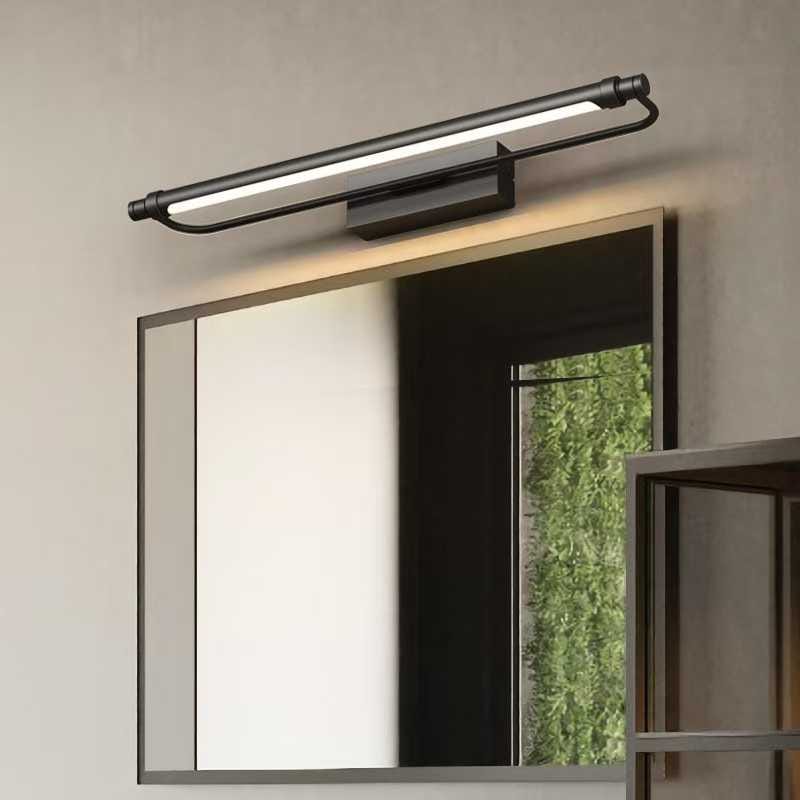
The placement of vanity mirror lighting directly affects performance. Poor placement can create shadows on the face, making makeup application difficult.
Best lighting layouts include:
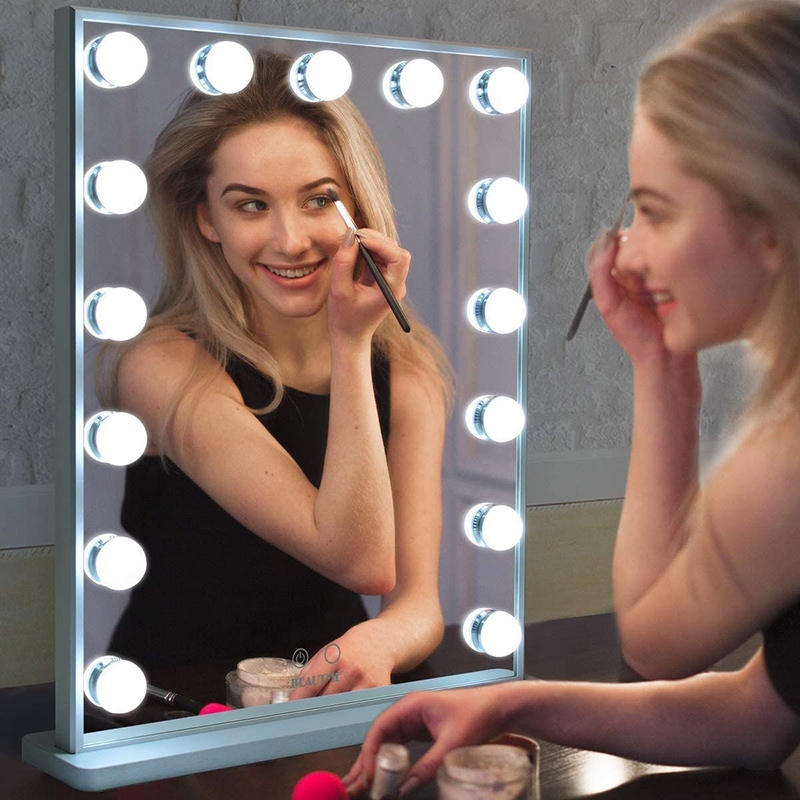
a. Surround Lighting (Hollywood Style)
Lights installed around all sides of the mirror provide even illumination and minimize shadows. This setup is widely used for makeup vanities.
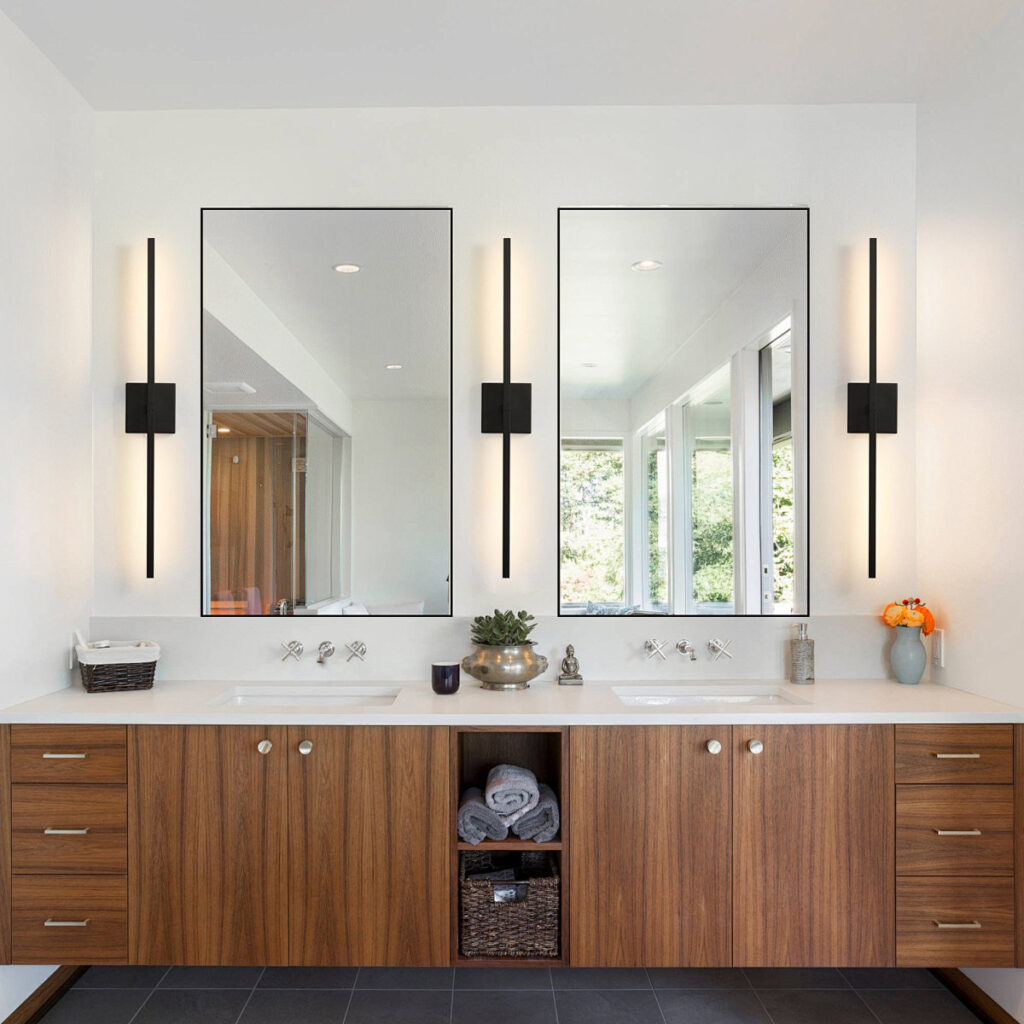
b. Side Lighting
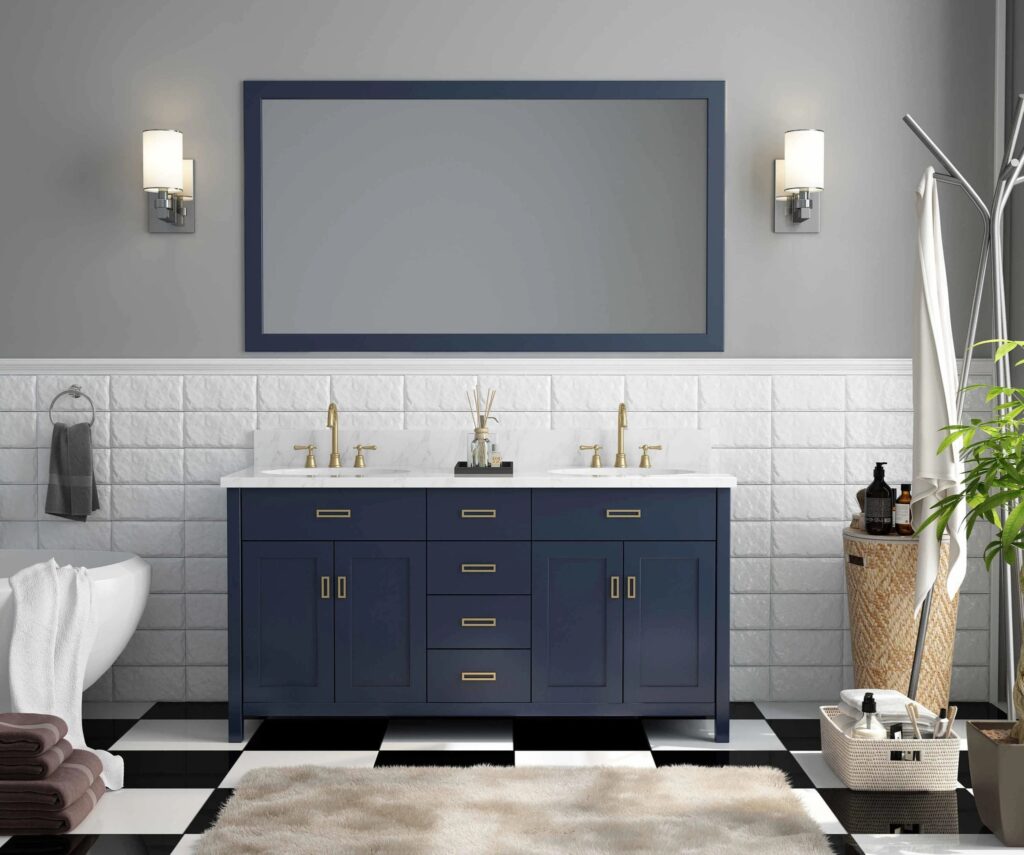
Lights installed vertically on both sides of the mirror help illuminate the face evenly and are ideal for bathrooms.
c. Top Lighting Only (Not Recommended Alone)
A single light above the mirror often creates downward shadows under the eyes and chin.
For best results, combine top and side lighting or use a full-frame mirror lighting design.
5. Consider LED vs. Traditional Bulbs
Modern vanity mirror lighting is dominated by LED technology due to its efficiency and durability.
LED Lights (Recommended)
Advantages:
- Energy efficient
- Long lifespan (typically 30,000–50,000 hours)
- Low heat output
- Available in adjustable brightness and color temperature
Disadvantages:
- Slightly higher upfront cost (but lower long-term cost)
Traditional Incandescent or Halogen Lights
Advantages:
- Warm and natural light tone
- Lower initial cost
Disadvantages:
- High energy consumption
- Short lifespan
- Generate heat
LED lighting is the best option for most vanity mirror setups due to its performance and energy savings.
6. Check CRI (Color Rendering Index)
CRI (Color Rendering Index) measures how accurately a light source shows true colors. This factor is especially important for makeup application.
CRI recommendations:
- CRI 80: Acceptable for general use
- CRI 90+: Ideal for makeup and professional use
Higher CRI lighting helps ensure that foundation, blush, and eyeshadow colors appear natural and consistent in different environments.
7. Decide Between Integrated Mirror Lights or External Lights
There are two main types of vanity mirror lighting products.
Integrated LED Vanity Mirrors
These mirrors have built-in lighting around the edges.
Pros:
- Modern design
- Easy installation
- Uniform lighting
Cons:
- Higher cost
- Harder to replace if damaged
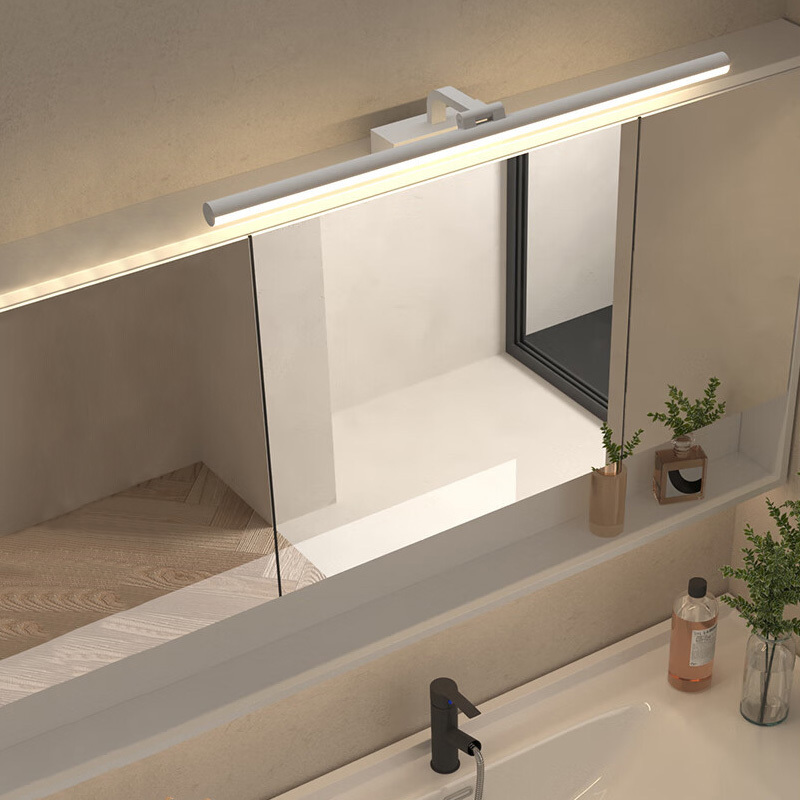
External Vanity Light Fixtures
Separate lights installed around or above the mirror.
Pros:
- Flexible installation
- Easier maintenance
- Lower cost options available
Cons:
- Requires more setup effort
The choice depends on budget, installation conditions, and aesthetic preferences.
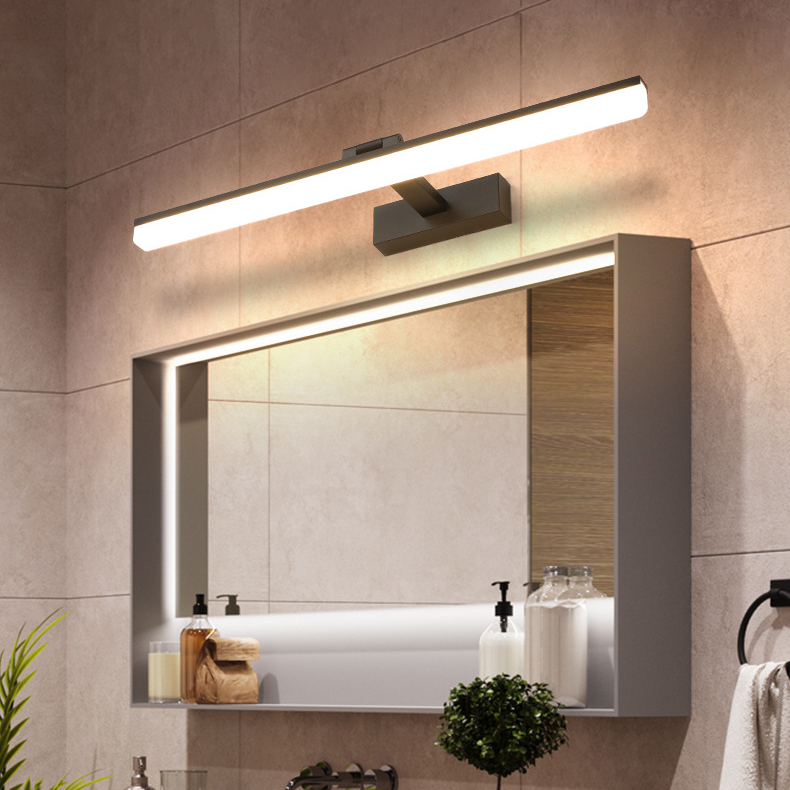
8. Consider Installation Method
Installation requirements vary depending on the product type.
Plug-in Installation:
Easy to install and suitable for bedrooms or rental apartments.
Hardwired Installation:
Provides a cleaner and more permanent setup but may require professional electrical work.
Adhesive or Clip-On Lights:
Ideal for temporary setups or DIY vanity tables.
If the lighting will be installed in a bathroom, ensure the product has appropriate water resistance (such as IP44 or higher).
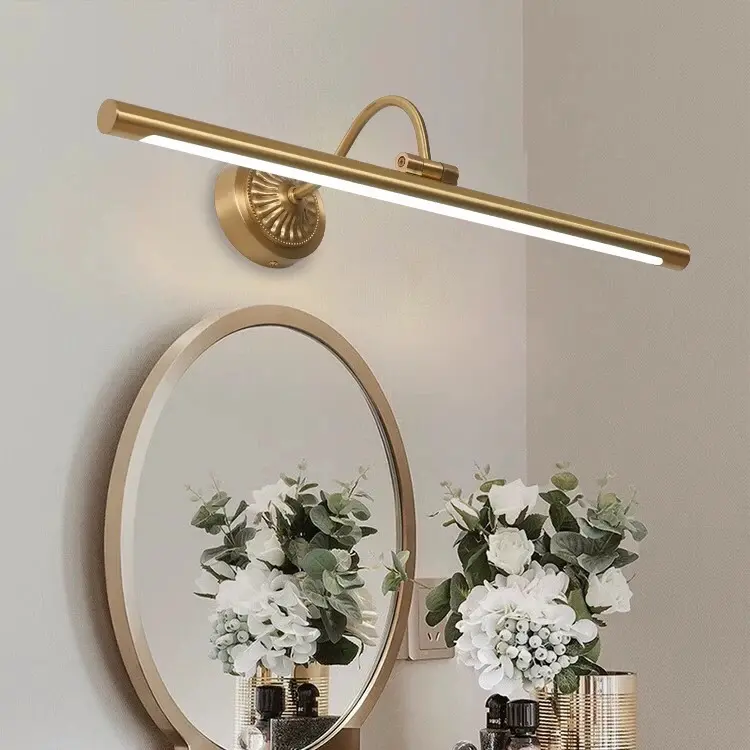
9. Smart Features and Modern Controls
Modern vanity mirror lights increasingly include smart features that improve convenience.
Popular smart features include:
- Touch controls
- Remote control operation
- Memory function (remembers previous brightness settings)
- Motion sensors
- Bluetooth speakers
- Smart home compatibility
While not essential, these features can improve user experience, especially for high-end vanity setups.
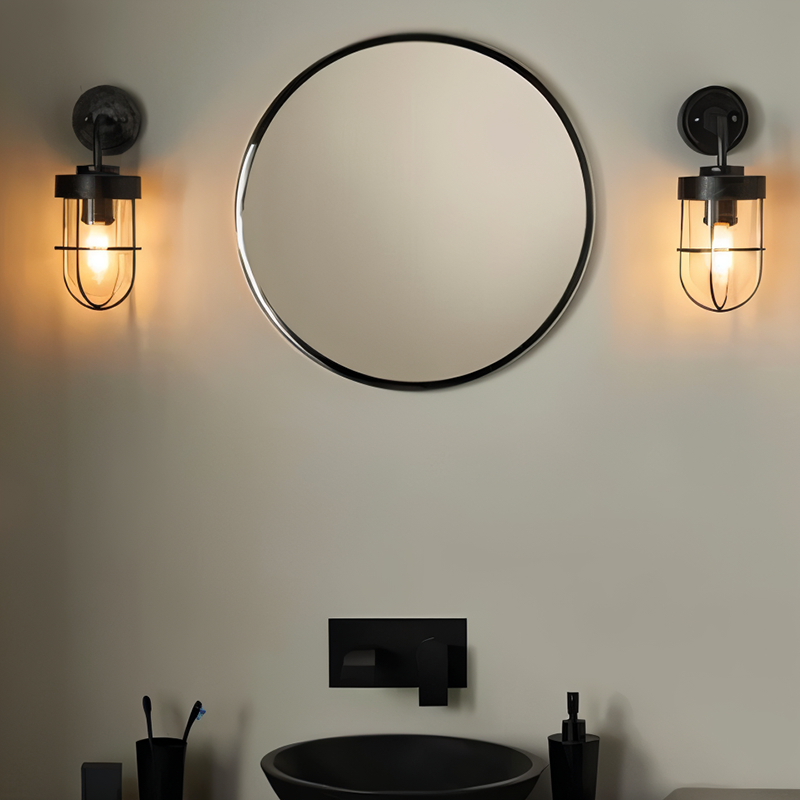
10. Match the Design with Your Space
Vanity lighting should complement the overall style of the room.
Common styles include:
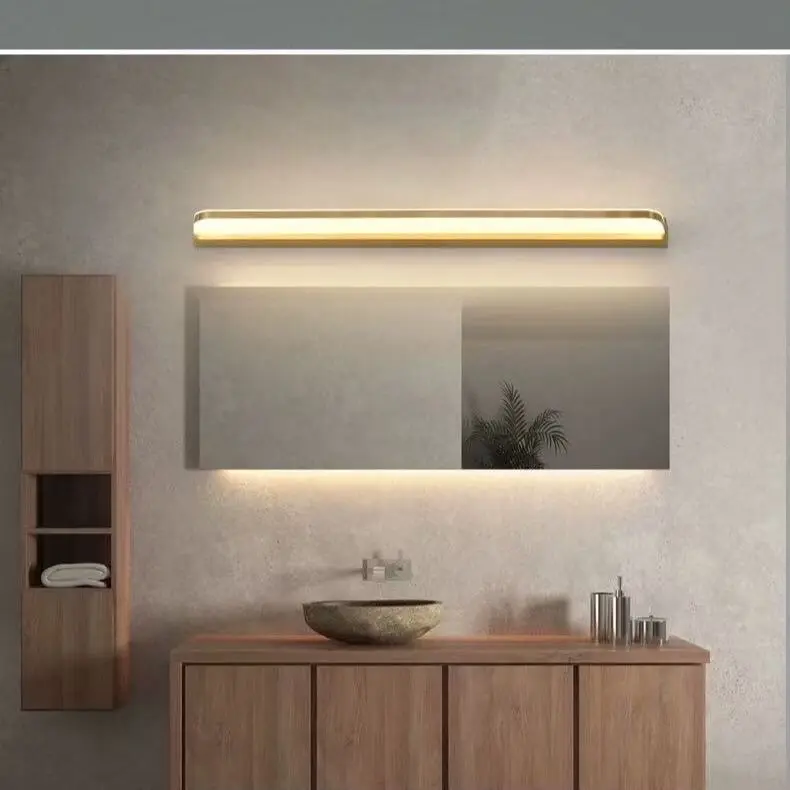
- Minimalist LED strips for modern interiors
- Hollywood bulb styles for classic makeup setups
- Metal frame fixtures for industrial designs
- Backlit mirrors for luxury aesthetics
Consider the size of the mirror as well. Large mirrors require stronger lighting or more bulbs to maintain even brightness.
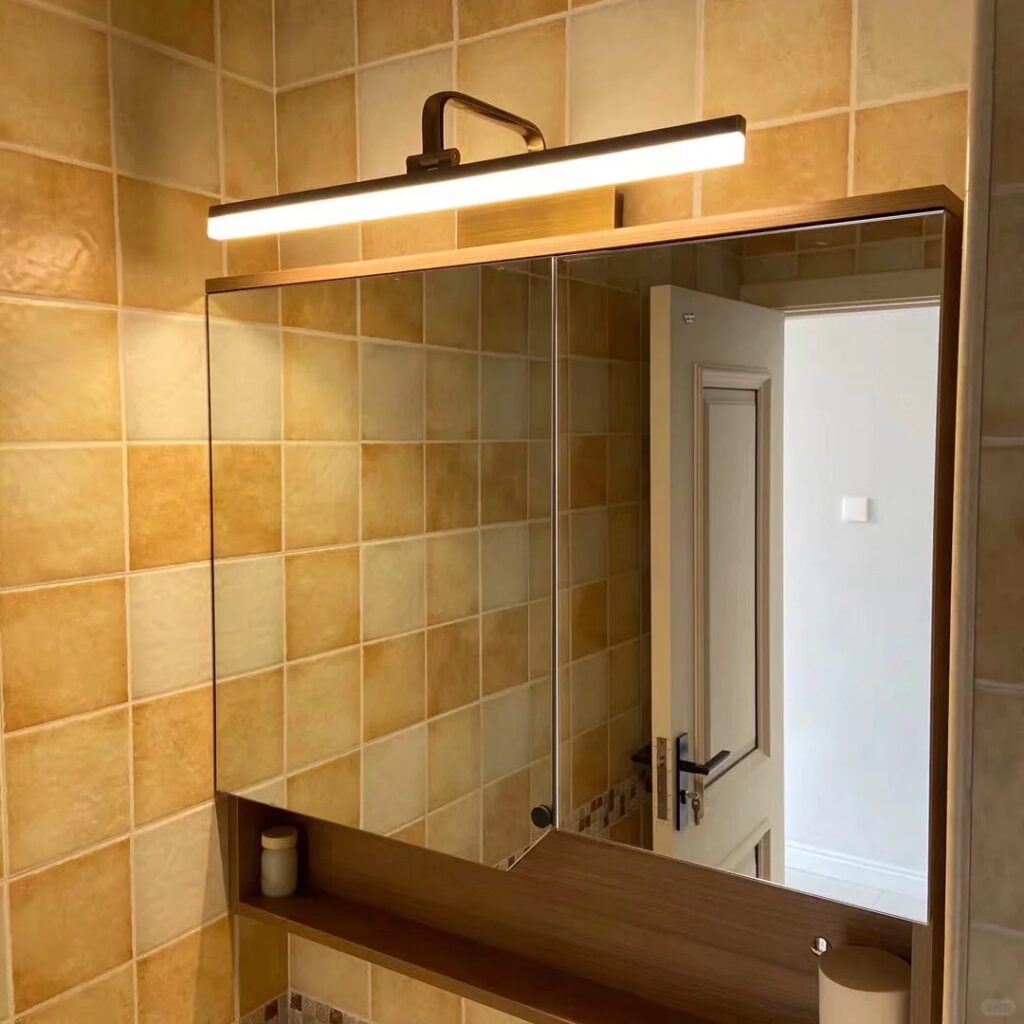
11. Energy Efficiency and Cost Considerations
Although LED vanity lights may have a higher initial price, they are more economical in the long term due to lower electricity consumption and longer lifespan.
When comparing products, consider:
- Lifespan rating
- Power consumption
- Replacement costs
- Warranty coverage
A high-quality LED vanity mirror light can last many years with minimal maintenance.
12. Common Mistakes to Avoid
Many buyers focus only on appearance and overlook functionality. Here are some common mistakes:
Choosing lights that are too dim
This reduces visibility and usability.
Ignoring color temperature
Warm lighting alone is not suitable for makeup.
Poor placement
Top-only lighting creates shadows.
Low CRI lighting
Causes inaccurate color representation.
Buying without checking installation requirements
May lead to additional costs or compatibility issues.
Avoiding these mistakes will help ensure better performance and satisfaction.
13. Recommended Vanity Mirror Lighting Setup (Practical Guide)
For most users, the following configuration works best:
- LED lighting with adjustable brightness
- Color temperature range: 3000K–6000K
- CRI above 90
- Surround or side lighting layout
- Plug-in or easy installation design
For professional makeup environments:
- Higher lumen output (1600+ lumens)
- Dimmable lighting
- Adjustable color temperature
- Large mirror coverage

Conclusion
Choosing the right vanity mirror light involves more than selecting an attractive design. Brightness, color temperature, CRI, placement, and installation all play critical roles in ensuring the lighting is both functional and visually appealing. LED lighting with adjustable settings is currently the most practical and efficient choice for most users, offering flexibility for daily grooming, makeup application, and decorative purposes.
By carefully considering how the vanity mirror will be used and matching the lighting specifications to those needs, you can create a well-lit, comfortable, and professional-looking setup. Whether for personal use at home or professional use in a salon environment, the right vanity mirror lighting can significantly improve both accuracy and overall experience.